Introduction
Welcome to this comprehensive guide on checking out the power of Reiki hand positions. In this article, we will explore the world of Reiki energy recovery and how particular hand positions can be utilized to transport and direct this recovery energy. Whether you are brand-new to Reiki or a skilled professional, this guide will provide valuable insights and methods to boost your practice.
What is Reiki?
Reiki is a Japanese recovery method that includes the transfer of energy from the specialist's hands to the recipient's body. The word "Reiki" is derived from two Japanese words - "rei" indicating universal, and "ki" indicating life force energy. It is thought that when this vital Mastering Sei Hei Ki force energy becomes low or obstructed, it can lead to physical, psychological, or spiritual imbalances. By using specific hand positions, Reiki practitioners intend to bring back the flow of energy and promote healing.
The History of Reiki
Reiki has its roots in ancient Tibetan recovery practices but was discovered in the late 19th century by Mikao Usui, a Japanese Buddhist monk. Usui established a system of hand positions and symbols that became the structure of modern-day Reiki. Throughout the years, Reiki has actually developed and branched into different lineages, each with its own distinct approach and teachings.
Understanding Reiki Hand Positions
The primary tool utilized in Reiki healing is the specialist's hands. By putting their hands on or near various parts of the recipient's body, they can direct energy and help with healing. Each hand position represents a specific location or organ in the body and targets the corresponding energetic blockages.
Exploring the Power of Reiki Hand Positions: A Thorough Guide
In this area, we will check out in detail each hand position used in Reiki recovery:

1. Crown Position
- The Crown Position lies at the top of the head and is associated with the spiritual aspect of an individual. Putting hands carefully on this position can assist balance and align the recipient's spiritual energy.
2. Third Eye Position
- The Third Eye Position lies in the middle of the forehead, simply above the eyebrows. This hand position is believed to improve intuition and promote clarity of thought.
3. Throat Position
- The Throat Position lies on the throat and is connected with communication and self-expression. By positioning hands on this position, Reiki professionals intend to clear any energetic blockages that may hinder effective communication.
4. Heart Position
- The Heart Position lies at the center of the chest and corresponds to like, compassion, and emotional well-being. Placing hands on this position can assist release psychological discomfort and promote feelings of love and self-acceptance.
5. Solar Plexus Position
- The Solar Plexus Position lies just listed below the ribcage in the upper abdominal area. This hand position targets concerns connected to individual power, confidence, and self-confidence.
6. Sacral Position
- The Sacral Position lies in the lower abdomen, simply listed below the navel. It associates with sexuality, creativity, and emotional balance. By positioning hands on this position, Reiki specialists intend to release any energetic blocks in these areas.
7. Root Position
- The Root Position lies at the base of the spine and focuses on grounding and stability. Placing hands on this position can assist promote a sense of security and connectedness.
Reiki Signs: Opening Deeper Healing
In addition to hand positions, Reiki also uses signs as tools for healing and transformation. These signs are spiritual geometric patterns that serve as secrets to unlock specific energies or intents throughout a Reiki session.

Exploring the Power of Reiki Symbols: An Extensive Guide
In this area, we will explore the various symbols used in Reiki and their significance:
1. Cho Ku Rei Symbol
- The Cho Ku Rei sign is one of the most frequently used signs in Reiki. It represents power and defense and is typically used to boost the flow of Reiki energy.
2. Sei He Ki Symbol
- The Sei He Ki sign is related to emotional and psychological recovery. It is typically used to launch negative feelings, recover previous injuries, and promote psychological balance.
3. Hon Sha Ze Sho Nen Symbol
- The Hon Sha Ze Sho Nen sign is referred to as the range healing symbol. It permits Reiki specialists to send out recovery energy across time and area, making it a powerful tool for remote healing.
4. Dai Ko Myo Symbol
- The Dai Ko Myo symbol represents knowledge and spiritual awakening. It is often used to get in touch with higher levels of awareness and help with spiritual growth.
Reiki Levels: Releasing Your Recovery Potential
Reiki training is divided into different levels, each providing a much deeper understanding of the practice and opening brand-new abilities. Let's check out the various levels of Reiki:
Exploring Reiki Level 1: An Extensive Guide
Reiki Level 1 concentrates on self-healing and learning the foundational techniques of Reiki. In this level, professionals are attuned to the Reiki energy and find out hand positions for self-treatment.
Exploring Reiki Level 2: A Comprehensive Guide
Reiki Level 2 broadens on the methods found out in Level 1 and introduces making Click here to find out more use of signs for far-off recovery. Specialists at this level gain the ability to send out healing energy throughout time and space.
The Power of Energy Healing
Reiki is a form of energy healing that use the universal life force energy to promote healing and well-being. However exactly what is energy healing, and how does it work?
Energy recovery is based upon the belief that all living beings are made up of energy. When this energy ends up being imbalanced or blocked, it can manifest as physical, emotional, or spiritual ailments. Energy recovery strategies intend to bring back balance and remove clogs, allowing the body's natural healing procedures to take place.
How Does Reiki Work?
Reiki works by funneling universal life force energy through the professional's hands to the recipient's body. The practitioner acts as a conduit for this energy, allowing it to flow through them and into the recipient.
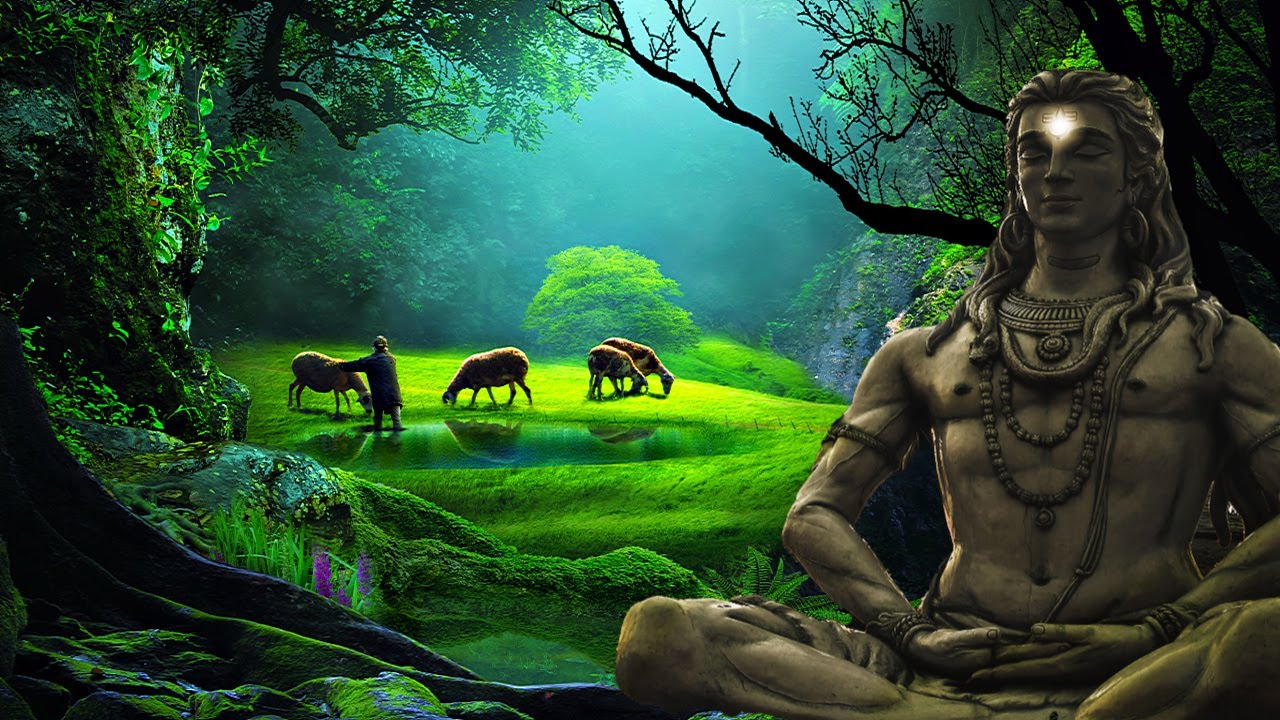
During a Reiki session, the practitioner positions their hands on or near various parts of the recipient's body, following specific hand positions. As the energy streams through the specialist's hands, it is thought to communicate with the recipient's energy field, promoting balance and healing.
Frequently Asked Questions
What are the benefits of Reiki?- Reiki has numerous benefits, consisting of tension decrease, pain relief, relaxation, psychological healing, and enhanced total wellness.
- Yes, Reiki is safe and appropriate for people of all ages and conditions. It can match traditional medical treatment and enhance its effectiveness.
- No special abilities are needed to practice Reiki. Anybody can learn and end up being a Reiki professional with proper training and attunements.
- Yes, Reiki can be used together with other recovery methods with no conflicts. It can improve the efficiency of other treatments and promote holistic healing.
- A normal Reiki session lasts anywhere from 60 to 90 minutes, depending on the practitioner and the client's needs.
- While it is possible to learn some basic Reiki strategies through books or online resources, it is highly suggested to get training from a qualified Reiki master for a much deeper understanding and proper attunements.
Conclusion
In conclusion, checking out the power of Reiki hand positions is a transformative journey that can lead to boosted recovery capabilities and spiritual development. By comprehending the significance of each hand position, discovering the power of Reiki signs, and progressing through various levels of Reiki training, practitioners can unlock their complete healing capacity. Whether you are brand-new to Reiki or have actually been practicing for years, this detailed guide supplies important insights and techniques to deepen your Reiki practice. Embrace the power of Reiki hand positions and embark on a course of recovery, balance, and self-discovery.
.